 Cartagena City Guide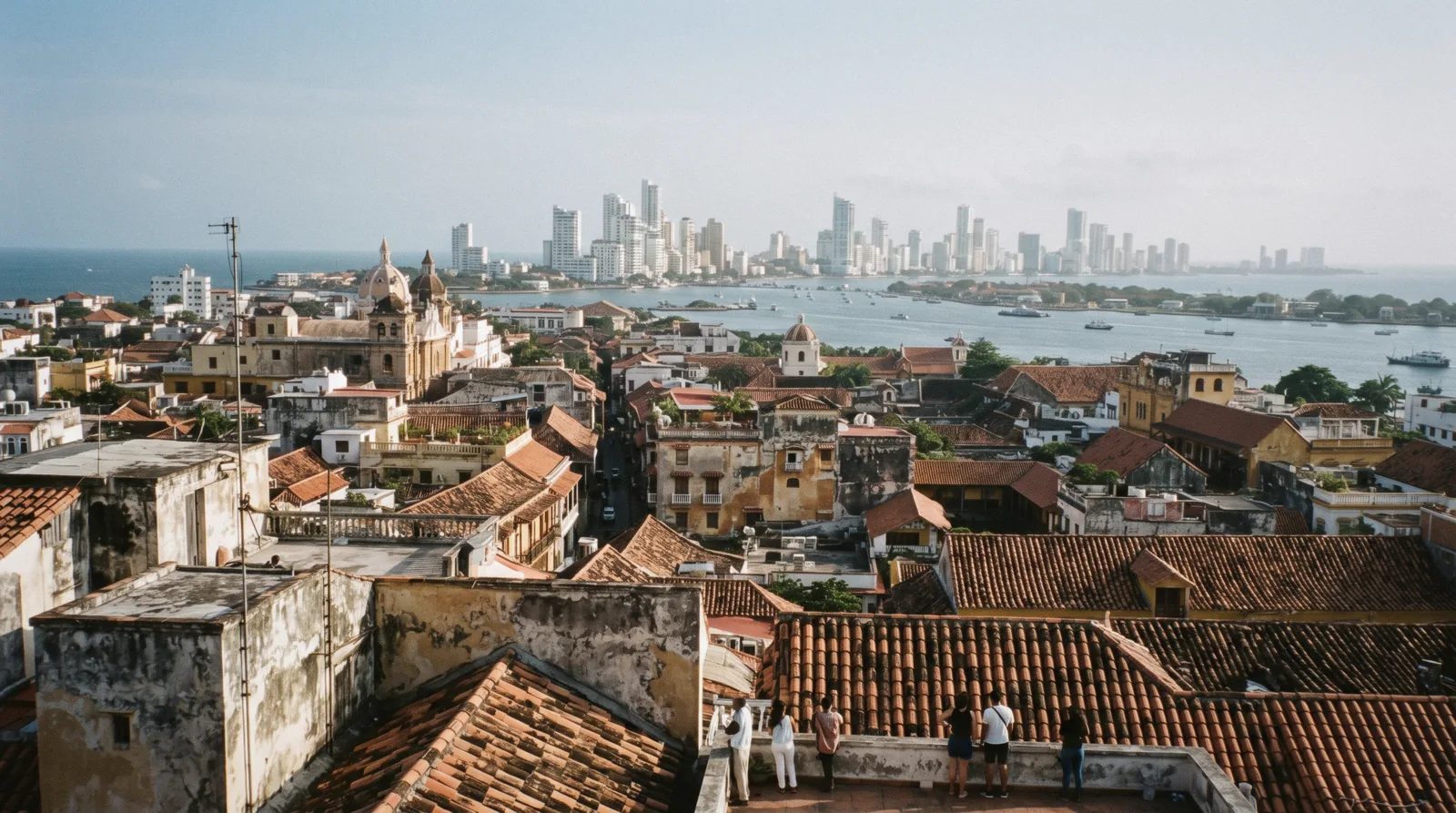
Cartagena Neighbourhoods
Cartagena splits into seven areas a visitor actually needs to know, and this page covers what each one of these Cartagena neighbourhoods is for: sightseeing, nightlife, beach, or a quieter residential base, not where to sleep. That question, with a live hotel search for six of these seven areas, is answered on Where to Stay.
Quick answer Seven areas, what each one is for, in one line each
Centro Histórico and San Diego are the walled Old City itself, where the fort ticket line, the museum circuit and the plazas all sit within walking distance of each other. Getsemaní is the nightlife district a few minutes' walk across the roundabout from the wall, built around Plaza de la Trinidad. Bocagrande and Castillogrande are the high-rise beach peninsula south of the old town, reached by taxi or bus, not on foot. Manga is a residential island of early-twentieth-century mansions east of the centre. La Boquilla is the beach village on the northern highway where the mangrove canoe tours leave from. None of this is a sleeping recommendation, only what each area is built for.
Key takeaways
- Sightseeing on foot: Centro Histórico and San Diego, inside the wall where the walled-city walk starts.
- Nightlife and value: Getsemaní, a few minutes' walk from the wall around Plaza de la Trinidad.
- Beach and mangrove access: Bocagrande for the high-rise strip, La Boquilla for the mangrove tours.
- Deciding where to sleep: compare all six lodging areas with live rates.
The seven areas compared
No agency publishes a walking-distance table between these seven Cartagena neighbourhoods, so the order below reads off the one number the city does publish: the 2026 airport-zone taxi fare, which prices the walled city closest to the terminal and the tip of the Bocagrande peninsula farthest.
| Area | What it's for | One fact | Watch for | Guide |
|---|---|---|---|---|
| Centro Histórico | Sightseeing on foot, the fort ticket line, the museum circuit | Cheapest airport-zone fare of the seven, $4.06 (12,800 COP) | Bar noise in the plazas after dark, the highest room rates in the city | Read the section |
| San Diego | The quieter northern quarter of the same walled city, artisan shops and small squares | Inside the same wall as Centro, no separate fare zone of its own | Fewer restaurants stay open late than near the port side of the wall | Read the section |
| Getsemaní | Nightlife, street art, a base for budget and mid-range travellers | A few minutes' walk from the wall, no separate fare zone | Plaza de la Trinidad runs loud on weekends, later than the plazas in Centro | Read the section |
| Bocagrande | High-rise beach hotels, families, resort-style stays | $6.92 (21,800 COP) airport-zone fare | No sightseeing on foot, a taxi or bus for every old-town day | Read the section |
| Castillogrande | The calmer, more residential tip of the same beach peninsula | $8.73 (27,500 COP), the highest airport-zone fare of the seven | The longest taxi rides of any area on this page | Read the section |
| Manga | A residential, local-feeling base close to the centre | $5.74 (18,100 COP) airport-zone fare, between Centro's and the beach peninsula's | Few restaurants of its own and almost no tourist infrastructure | Read the section |
| La Boquilla | Beach-village life, resort stays, the mangrove canoe tours | $4.89 (15,400 COP) airport-zone fare, low because it sits near the airport, not the old town | A taxi or bus each way for every old-town day | Read the section |
The airport-zone fares behind this ranking are secondary press relaying the 2026 district decree, not the decree text itself, and appear in full on Getting Around, so read them as a proxy for how spread out the city is, not a minute-by-minute measurement. Figures current in Q3 2026.
The seven areas on the map
Terracotta pins mark each area's approximate centre, not a hotel address. The green pin is the Torre del Reloj, the reference point the airport-zone fares above are read against.
Centro Histórico and San Diego: the walled Old City
Centro Histórico and San Diego are two names for the same walled city, split by an old internal line that visitors rarely notice. Centro is the southern half nearer the port and the cruise terminal, dense with plazas, restaurants and the streets every guidebook photograph is taken in. San Diego is the northern quarter past Plaza de Santo Domingo, quieter, with more artisan workshops and small squares and fewer restaurants staying open late. Both sit inside the same rampart, and a visitor based in either one reaches the fort's ticket line, the museum circuit and the walled-city walk on foot.
The airport-zone fare to this area, $4.06 (12,800 COP), is the cheapest of the seven, one more sign of how central it sits. The trade is noise and price: the plazas carry bar and restaurant sound into the night, worse on weekends, and this is consistently the most expensive part of the city to book a room in. For a full comparison of lodging inside these two quarters against the other five areas, see Where to Stay.
Airport zone taxi fares: Qué Buena FM, secondary press relaying the 2026 district decree.
Getsemaní: the nightlife district
Cross the roundabout by the Torre del Reloj and the street art starts, along with a different mix of bars, hostels and small restaurants. Getsemaní was a working-class dockside neighbourhood before it turned into the city's nightlife district, and Plaza de la Trinidad is the reason: a square that fills with music, food carts and a crowd that builds every evening, the loudest single spot in the seven areas on this page.
A walking tour through Centro Histórico and Getsemaní, rated 4.8 from 42 reviews, covers the street art and the neighbourhood's history in one loop, and a bike ride with lunch at the spot Anthony Bourdain once ate at, rated 4.9 from 16 reviews, is the other tour anchored specifically to this area. Getsemaní sits a few minutes' walk from the wall, close enough that the practical difference from Centro Histórico is price and noise, not what is reachable on foot.
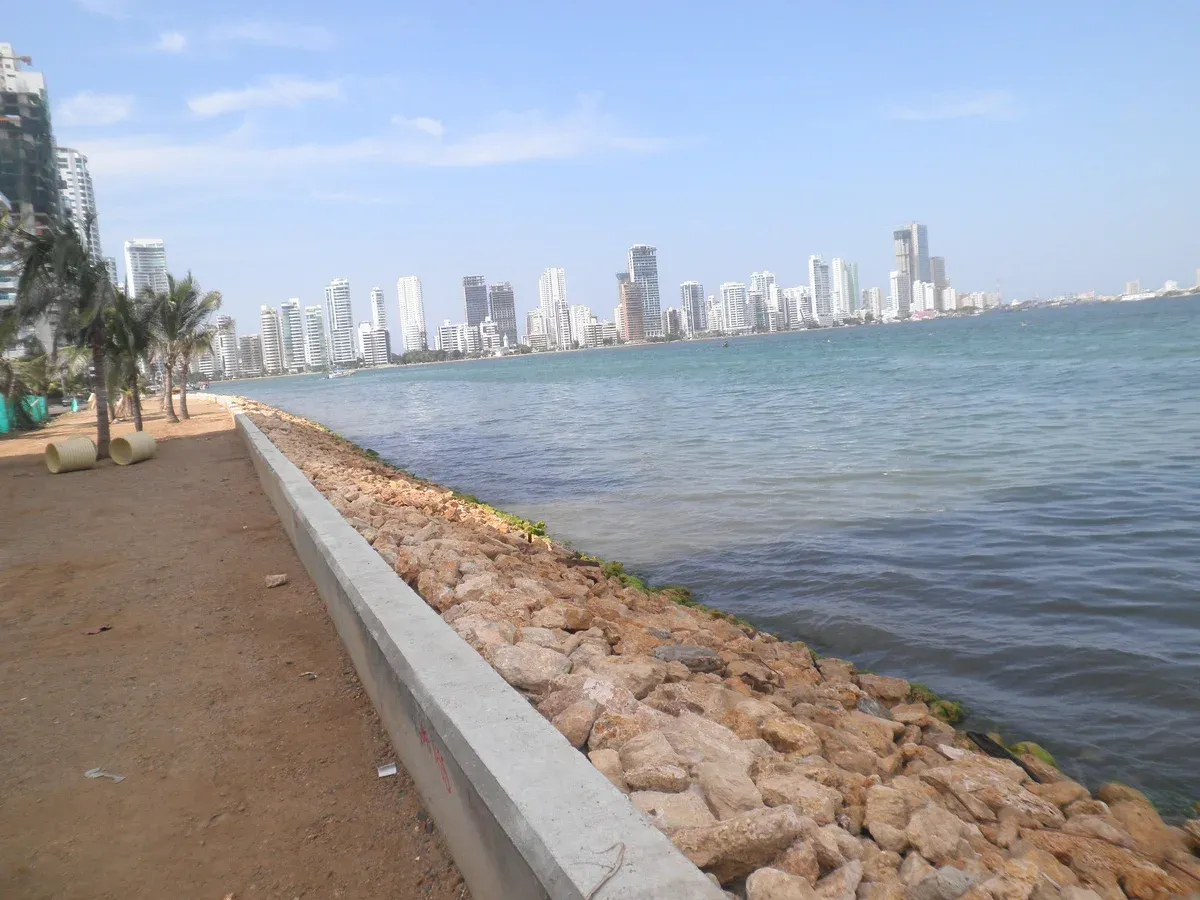
Photo: CivArmy, CC BY-SA 4.0, via Wikimedia Commons
Bocagrande: the beach strip
South of the old city, past Manga and across a short causeway, Bocagrande is a different Cartagena: a long peninsula of modern high-rise hotels facing the Caribbean, closer in feel to a resort strip than to the colonial centre. It is the area with the most beach hotel towers and pools in the city, and its evenings belong to hotel bars rather than a street square, quieter after dark than Getsemaní.
What it costs is the walk. Bocagrande is not close to the walled city, and every sightseeing day means a taxi or a Transcaribe ride rather than a stroll. The airport-zone fare here, $6.92 (21,800 COP), is markedly higher than Centro's, a rough sign of how much farther out the peninsula sits. A visitor who chooses this beach strip is choosing the sea over the walk, not both.
Castillogrande: the quiet end of the same peninsula
Castillogrande is the southern continuation of the Bocagrande peninsula, past El Laguito, and reads as the calmer half of the same strip: fewer big hotel chains, more residential towers, and a marina-side stretch instead of Bocagrande's busier beachfront. It suits a visitor who wants the peninsula's sea air without the concentration of hotel bars and tour touts that Bocagrande's main strip carries.
The cost is distance. The airport-zone fare table groups Bocagrande and Castillogrande into its farthest zone, $8.73 (27,500 COP), the highest of the seven areas here, consistent with Castillogrande sitting at the tip of the peninsula, farthest from the wall of anywhere on this page. Every old-town day, museum visit or evening in Getsemaní from here means the longest taxi ride on this list.
Manga: the residential island
East of Centro, across a bridge, Manga is a historic residential island of early-twentieth-century mansions, many now converted into smaller hotels and guesthouses, on streets that belong to Cartagena's own residents more than to visitors. There is little tourist infrastructure of its own here, no strip of restaurants or bars, just a quieter, local-feeling slice of the city a short ride from everything else.
Manga is not walking distance to the wall in the Caribbean heat, but the ride in is short, and the airport-zone fare here, $5.74 (18,100 COP), sits between Centro's and the beach peninsula's, consistent with Manga being closer to the centre than either Bocagrande or Castillogrande. It suits a visitor who wants a local, quieter base without paying the beach peninsula's distance, and who is comfortable arranging a short taxi or bus for each sightseeing day.
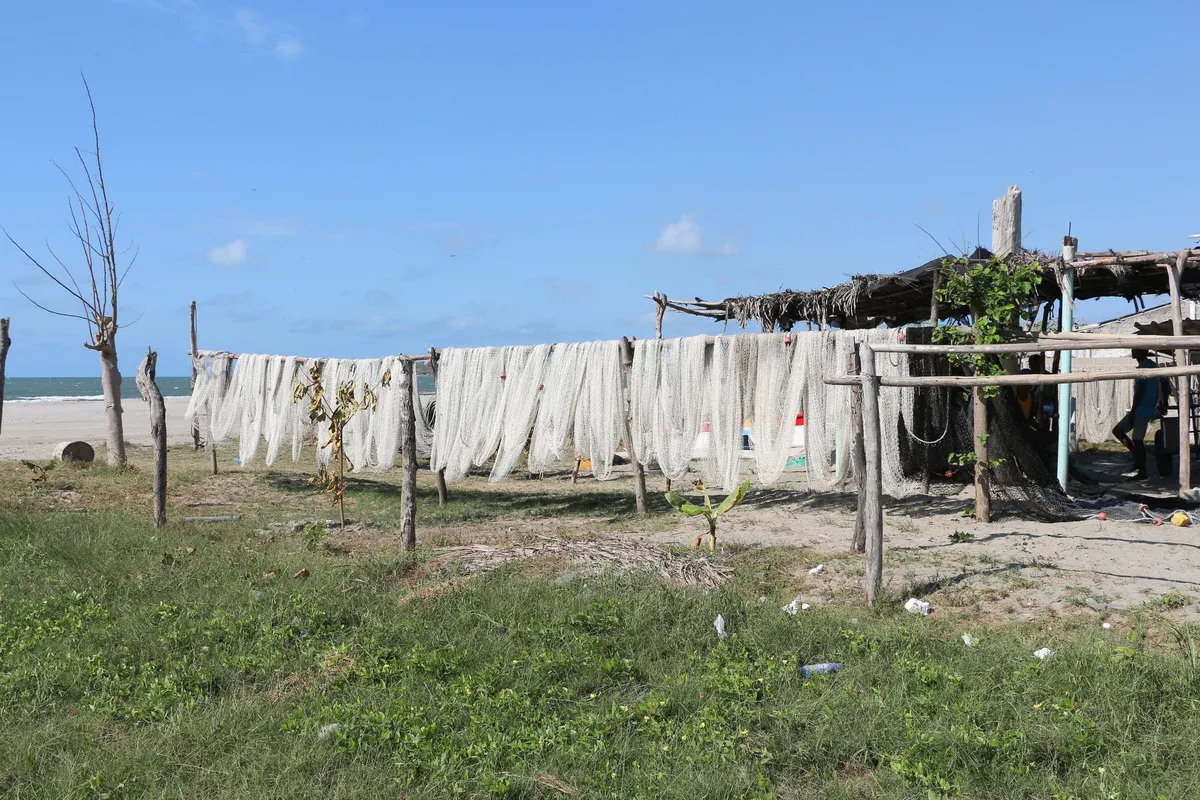
Photo: Bernard Gagnon, CC BY-SA 4.0, via Wikimedia Commons
La Boquilla: the beach village
La Boquilla is the fishing village and beach strip on the city's northern edge, past the airport and along the coastal highway, where fishing nets dry on the open sand and where the mangrove canoe tours leave from. A newer run of beachfront resorts and hotels has grown up here facing open water rather than a bay, and the neighbourhood is genuinely separate from the old town's crowds and noise.
Distance is the honest trade. The airport-zone fare here, $4.89 (15,400 COP), is lower than Bocagrande's or Manga's, but that is because the airport itself sits on the city's north side near here, not because La Boquilla is close to the walled city. It is not: every old-town day from here means a taxi or bus each way along the highway, a real time and money cost against a quieter beach.
How the seven areas connect
Centro Histórico, San Diego and Getsemaní form one walkable cluster: cross the wall's main gate or the roundabout by the clock tower and you move between all three on foot, which is why they get grouped together in most trip planning. Manga sits a short ride east of that cluster, not walkable in the heat but close by taxi. Bocagrande and Castillogrande are the beach peninsula to the south, one continuous strip split into a livelier north half and a calmer south end. La Boquilla stands apart from all of it, north past the airport, its own beach-village world reached by road.
No source publishes minute-by-minute walking or taxi times between all seven, so this page describes the connections by transport mode, on foot or by taxi, rather than inventing a figure. The one number that is published, the 2026 airport-zone taxi fare table, backs up the same ordering: Centro closest to the transport hub, Castillogrande farthest. For which of these seven to actually book a hotel in, the where-to-stay comparison weighs the same seven areas against noise, price and distance.
Tours anchored in Getsemaní
Both of these tours start and run inside Getsemaní itself rather than treating it as a stop on a wider loop.
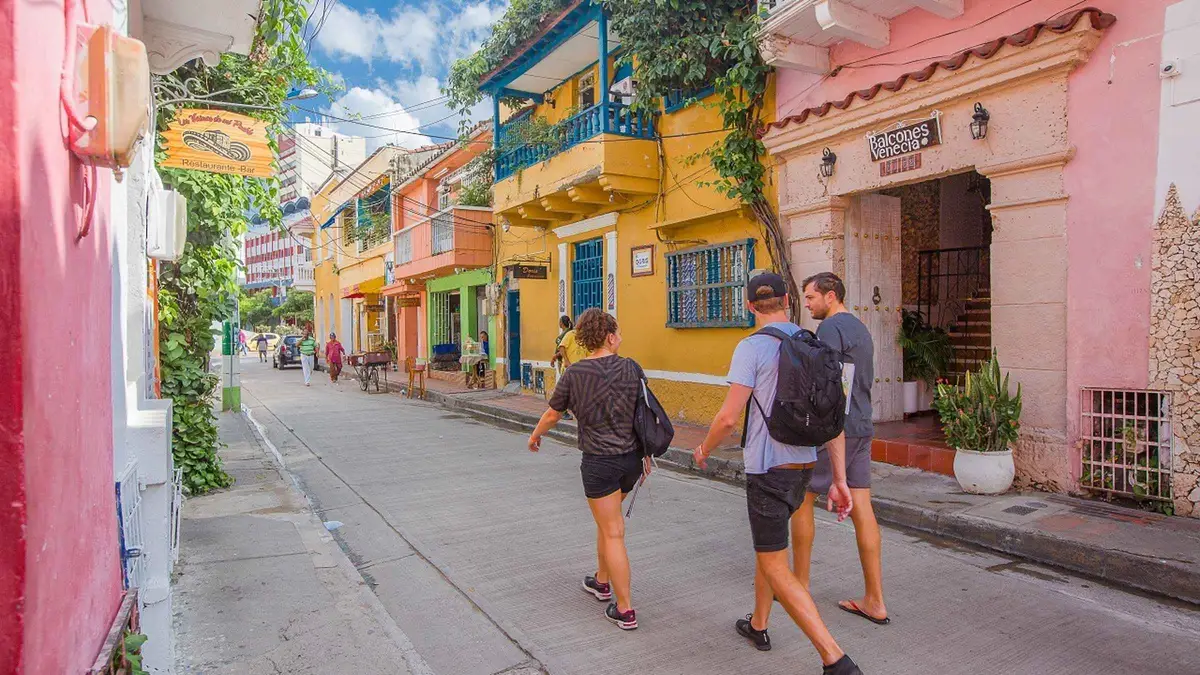 from $78
Getsemaní, CTG Walking Tour: Culture, Street Art, and More
A 2-hour walk through Getsemani's mural-covered streets with one complimentary local drink included, listed as wheelchair accessible. It skips the Walled City entirely, so pair it with a separate tour if that's also on your list.
Check Availability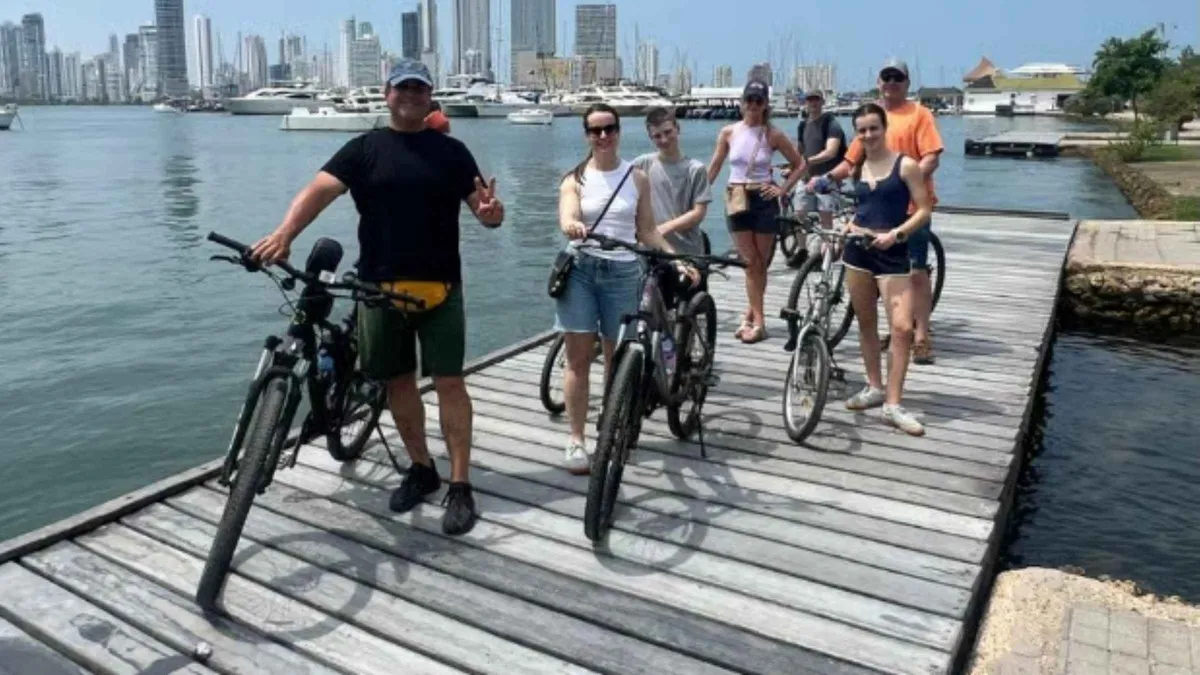 from $63.75
Fun Bike Ride with Lunch at Anthony Bourdain Favorite Spot
A 3-hour bike ride through Manga, Getsemani and Bazurto Market with lunch at the spot chef Anthony Bourdain featured on television, capped at 10 riders. It mixes street traffic with market crowds, so it suits confident cyclists more than beginners.
Check AvailabilityPrices, ratings and details are the platform's own. dollar figures are the listed prices — the platform bills in your account's currency.
Plan around these areas
Where to stay in Cartagena
Six of these seven areas compared for sleeping, with live hotel search links by neighbourhood: Where to Stay.
Centro to Castillogrande: 6 areas rankedGetting around Cartagena
Transcaribe fares, taxi rules and the full airport-zone fare table behind the distances on this page: Getting Around.
$1.24 (3,900 COP) Transcaribe fareThe Walled City
A full walking guide to the Centro Histórico and San Diego streets, ramparts and plazas: Walled City.
Inside the wall, on footCartagena neighbourhoods: questions
What is the difference between Centro Histórico and San Diego?
They are the same walled city split by an old internal line. Centro is the southern half nearer the port, denser with plazas and restaurants. San Diego is the quieter northern quarter, with more artisan shops and fewer late-night restaurants. Both are inside the same rampart and both are covered in Centro Histórico and San Diego.
Is Getsemaní part of the walled city?
No. Getsemaní sits just outside the wall, across the roundabout by the Torre del Reloj, a few minutes' walk away. It has its own character, built around nightlife and street art rather than the colonial plazas inside the wall. See Getsemaní.
Are Bocagrande and Castillogrande the same neighbourhood?
They are the same peninsula, split in two. Bocagrande is the busier, hotel-dense northern half. Castillogrande is the calmer, more residential tip to the south. The airport-zone fare table groups them into one farthest zone, $8.73 (27,500 COP). See Bocagrande and Castillogrande.
How do I get between Getsemaní and Bocagrande?
By taxi or Transcaribe. Getsemaní sits against the wall, Bocagrande is a separate peninsula to the south, and no source publishes a specific minute figure for the trip between them, only the relative airport-zone fares on Getting Around.
Is Manga worth visiting even if I'm not staying there?
It is a residential area with little built for visitors passing through, mansions converted into small hotels rather than a strip of sights. It suits a quieter overnight base more than a daytime visit. See Manga.
What is La Boquilla known for?
The mangrove canoe tours and a beach-village strip on the city's northern edge, separate from the old town's crowds. It is also where fishing nets still dry on the open sand each day. See La Boquilla and the mangrove tours.
Prices, hours and terms are set by the venue or operator and confirmed at checkout.
We may earn a commission if you book through one of our links, at no extra cost to you. Full affiliate disclosure